leonarasnick58 on Apr 18, 2017:
EF Butterfly Profile Deco
Swallowtail butterflies are large, colorful butterflies in the family Papilionidae, and include over 550 species. Though the majority are tropical, members of the family inhabit every continent except Antarctica. The family includes the largest butterflies in the world, the birdwing butterflies of the genus Ornithoptera.
Lycaenidae is the second-largest family of butterflies (behind Nymphalidae, brush-footed butterflies), with over 6,000 species worldwide,[1] whose members are also called gossamer-winged butterflies. They constitute about 30% of the known butterfly species. The family is traditionally divided into the subfamilies of the blues (Polyommatinae), the coppers (Lycaeninae), the hairstreaks (Theclinae) and the harvesters (Miletinae). Adults are small, under 5Â cm usually, and brightly coloured, sometimes with a metallic gloss. Larvae are often flattened rather than cylindrical, with glands that may produce secretions that attract and subdue ants. Their cuticles tend to be thickened. Some larvae are capable of producing vibrations and low sounds that are transmitted through the substrates they inhabit. They use these sounds to communicate with ants.[2][3] Adult individuals often have hairy antenna-like tails complete with black and white annulated (ringed) appearance. Many species also have a spot at the base of the tail and some turn around upon landing to confuse potential predators from recognizing the true head orientation. This causes predators to approach from the true head end resulting in early visual detection.[4] ]
The Sandia hairstreak (Callophrys mcfarlandi) is a species of butterfly native to North America.[2][3] A relatively rare butterfly with a limited range,[4] it was discovered in La Cueva Canyon, Albuquerque, in spring of 1958, by Noel McFarland, then a student at the University of Kansas,[5][6] and described the following year.[7][8][9]
The Sandia hairstreak was made one of the state insects of New Mexico in a 2002 bill approved the following year.[4][7][10] C. mcfarlandi is a relatively small butterfly with tailless wings that span 2.9–3.2 cm (1 1â„8 to 1 1â„4 inches). The wings of females are generally reddish-brown on the dorsal side with a narrow border of black around the edge. Males are typically brown. The underside of the wings of both sexes is usually greenish-yellow on the undersides with a postmedian line bordered with black near the base.[2][3] This species exhibits a certain amount of polymorphism, making the phenotype of some individuals significantly different from that described here[11] but according to one simple description "it is small and gold and green in color and it lives in and among beargrass plants, where its pink, lavender and white caterpillars eat beargrass flowers, making the butterfly and its caterpillar easy to identify."[7
Hey, I'm decorating your profile for the EF ~ Butterfly Deco Swap :)
I chose our favorite butterflies from the species we can see in our country (Italy). Now you can see them too.
It is a migratory butterfly which alights on most flowering plants. However, its favorite plant remains the thistle. We can see it from May until October.
This butterfly prefers all nectar-rich flowers. It is one of the most beautiful species to be found in Italy and flies here from April until September.
It can be found both in the gardens and over the flowering meadows. It flies from May until September and its main feature is that it produces three generations per year.
According to scientists this rare species (subspecies of the most common butterfly Apollo) has refuged on Sicilian Apennines during the last glaciation, differing from other species and giving birth to this rare endemism.
This butterfly flies from March until May on damaged lands and among broom and heather.



Page 71 of CraftyMommaonaBUDGET's Comments
Back to CraftyMommaonaBUDGET's profile
EF~ Butterfly profile deco from Wildchild
EF Butterfly Profile Deco
Swallowtail Butterfly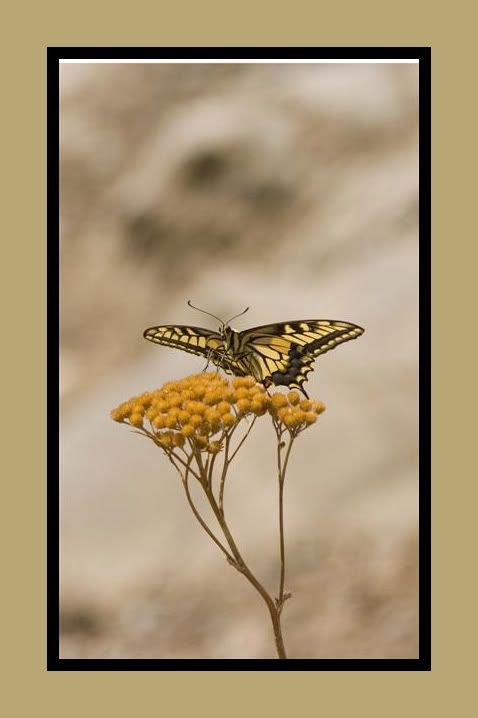 ]
]
Lycaenidae Butterfly ]
]
Sandia Hairstreak Butterfly ]
]
leonarasnick58 on Apr 18, 2017: EF Butterfly Profile Deco
Swallowtail butterflies are large, colorful butterflies in the family Papilionidae, and include over 550 species. Though the majority are tropical, members of the family inhabit every continent except Antarctica. The family includes the largest butterflies in the world, the birdwing butterflies of the genus Ornithoptera.
Lycaenidae is the second-largest family of butterflies (behind Nymphalidae, brush-footed butterflies), with over 6,000 species worldwide,[1] whose members are also called gossamer-winged butterflies. They constitute about 30% of the known butterfly species. The family is traditionally divided into the subfamilies of the blues (Polyommatinae), the coppers (Lycaeninae), the hairstreaks (Theclinae) and the harvesters (Miletinae). Adults are small, under 5Â cm usually, and brightly coloured, sometimes with a metallic gloss. Larvae are often flattened rather than cylindrical, with glands that may produce secretions that attract and subdue ants. Their cuticles tend to be thickened. Some larvae are capable of producing vibrations and low sounds that are transmitted through the substrates they inhabit. They use these sounds to communicate with ants.[2][3] Adult individuals often have hairy antenna-like tails complete with black and white annulated (ringed) appearance. Many species also have a spot at the base of the tail and some turn around upon landing to confuse potential predators from recognizing the true head orientation. This causes predators to approach from the true head end resulting in early visual detection.[4] ]
The Sandia hairstreak (Callophrys mcfarlandi) is a species of butterfly native to North America.[2][3] A relatively rare butterfly with a limited range,[4] it was discovered in La Cueva Canyon, Albuquerque, in spring of 1958, by Noel McFarland, then a student at the University of Kansas,[5][6] and described the following year.[7][8][9]
The Sandia hairstreak was made one of the state insects of New Mexico in a 2002 bill approved the following year.[4][7][10] C. mcfarlandi is a relatively small butterfly with tailless wings that span 2.9–3.2 cm (1 1â„8 to 1 1â„4 inches). The wings of females are generally reddish-brown on the dorsal side with a narrow border of black around the edge. Males are typically brown. The underside of the wings of both sexes is usually greenish-yellow on the undersides with a postmedian line bordered with black near the base.[2][3] This species exhibits a certain amount of polymorphism, making the phenotype of some individuals significantly different from that described here[11] but according to one simple description "it is small and gold and green in color and it lives in and among beargrass plants, where its pink, lavender and white caterpillars eat beargrass flowers, making the butterfly and its caterpillar easy to identify."[7
EF ~ Happy Easter Deco Swap





 Happy Easter!
Hi, Vanessa! Your welcome! Happy Easter!
Love and blessings,
Your friend, Yvonne
Hi Vanessa! Wishing you and your family a Happy Easter!
Love and blessings,
Your friend, Yvonne
EF ~ Happy Easter Deco Swap
Hey, I'm decorating your profile for the EF ~ Butterfly Deco Swap :)
I chose our favorite butterflies from the species we can see in our country (Italy). Now you can see them too.
It is a migratory butterfly which alights on most flowering plants. However, its favorite plant remains the thistle. We can see it from May until October.
This butterfly prefers all nectar-rich flowers. It is one of the most beautiful species to be found in Italy and flies here from April until September.
It can be found both in the gardens and over the flowering meadows. It flies from May until September and its main feature is that it produces three generations per year.
According to scientists this rare species (subspecies of the most common butterfly Apollo) has refuged on Sicilian Apennines during the last glaciation, differing from other species and giving birth to this rare endemism.
This butterfly flies from March until May on damaged lands and among broom and heather.
We hope you'll enjoy them all.
x
Kindest regards, -A.